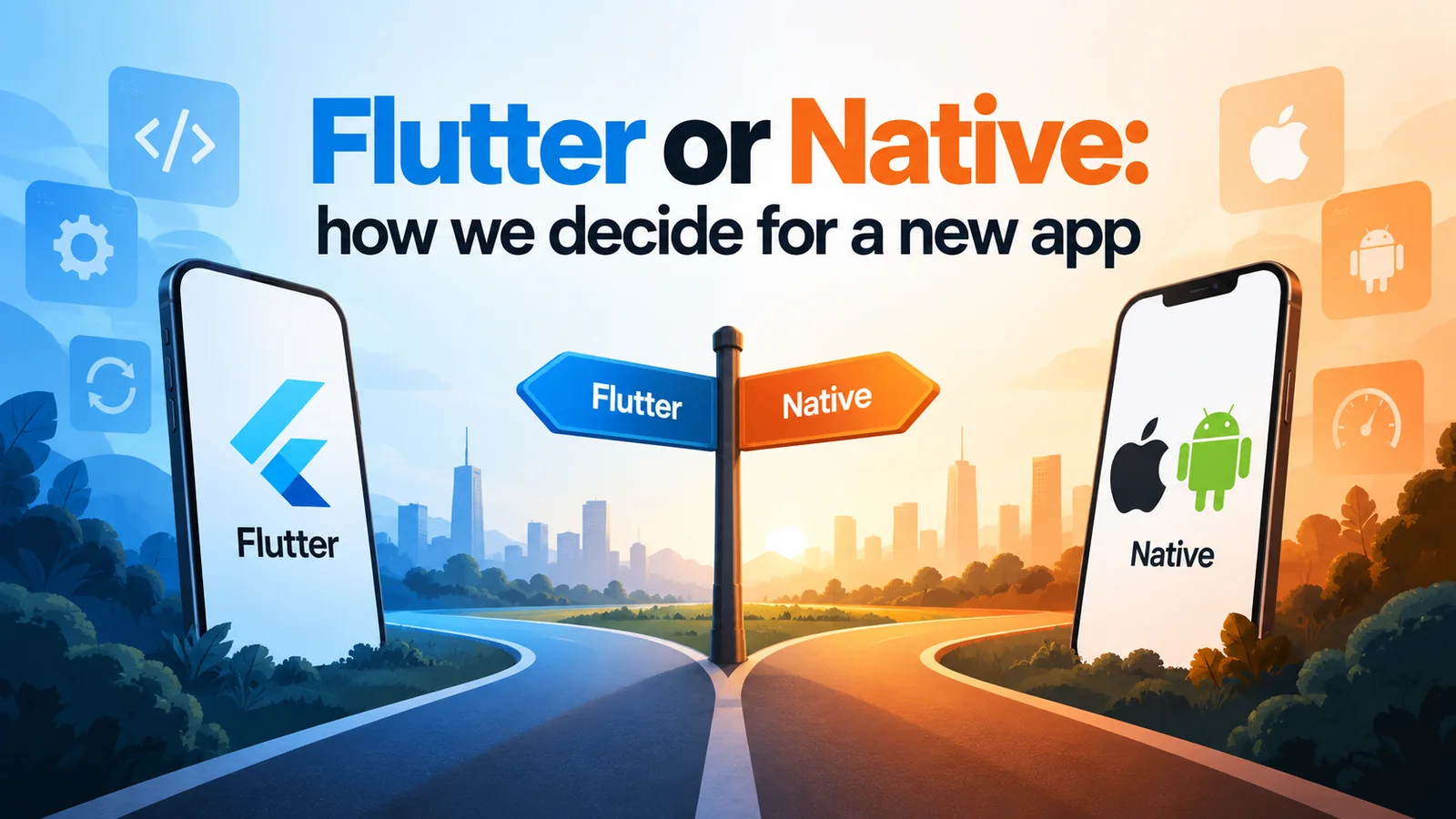
Flutter or native: how we decide for a new app
Most apps should be built once in Flutter. Some should not. Here is the short checklist we run through with every client before writing a line of code.
 Talha Javed2 min read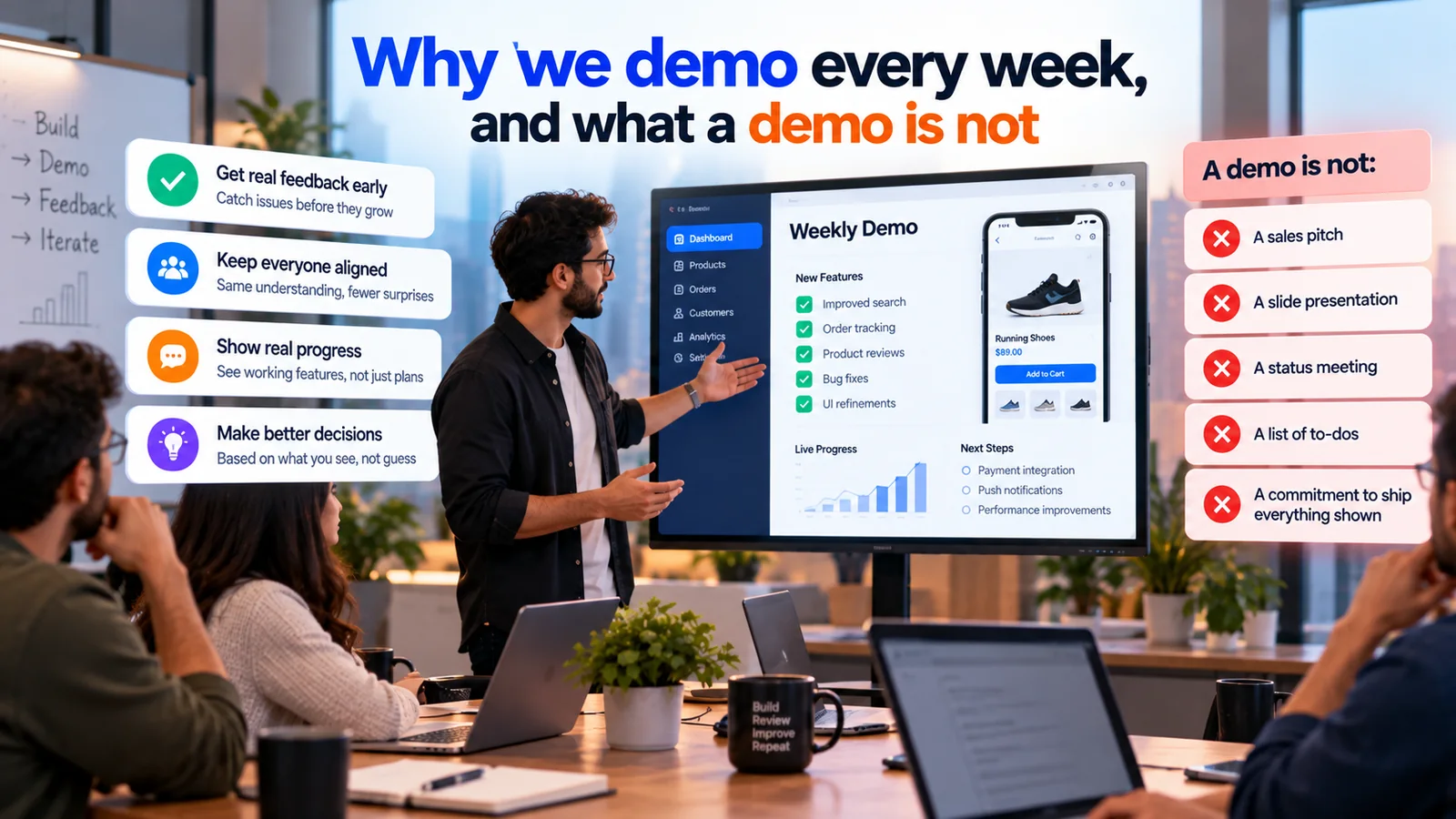
Every project we run has the same fixed appointment: once a week, you see the product working. Not described, not shown in a deck — opened in a browser or on a phone, clicked through, with the week’s changes visible. It is the one rule we do not relax, and after fifteen years of running projects I think it is the one that matters most.
Software projects rarely fail suddenly. They drift. A requirement is misunderstood in week two and built on for six weeks. A screen that looked fine in a design turns out to be awkward to use, but nobody uses it until the end. The client’s business changes and the plan does not. By the time the “big reveal” happens, the gap between what was built and what is needed has had months to grow — and fixing it is expensive because so much sits on top of it.
A weekly demo catches each of those in the week it happens, when it costs an afternoon to fix.
Thirty minutes a week, with someone present who can make decisions about the product. That is the whole commitment. The projects that go best are the ones where the same person attends every week; continuity on your side matters as much as on ours.
Showing unfinished work is uncomfortable. Edges are rough, there are placeholder labels, something always breaks during the demo. We do it anyway, because the alternative — polishing in private for months and hoping — is how projects fail. A client who has seen the product every week since week one is never surprised at launch, and never has to take our word for where things stand.
If you have worked with an agency before and the first thing you saw was the finished product, you will notice the difference immediately. If you have not, it will simply feel like how it should work.
More from the studio.
Most apps should be built once in Flutter. Some should not. Here is the short checklist we run through with every client before writing a line of code.
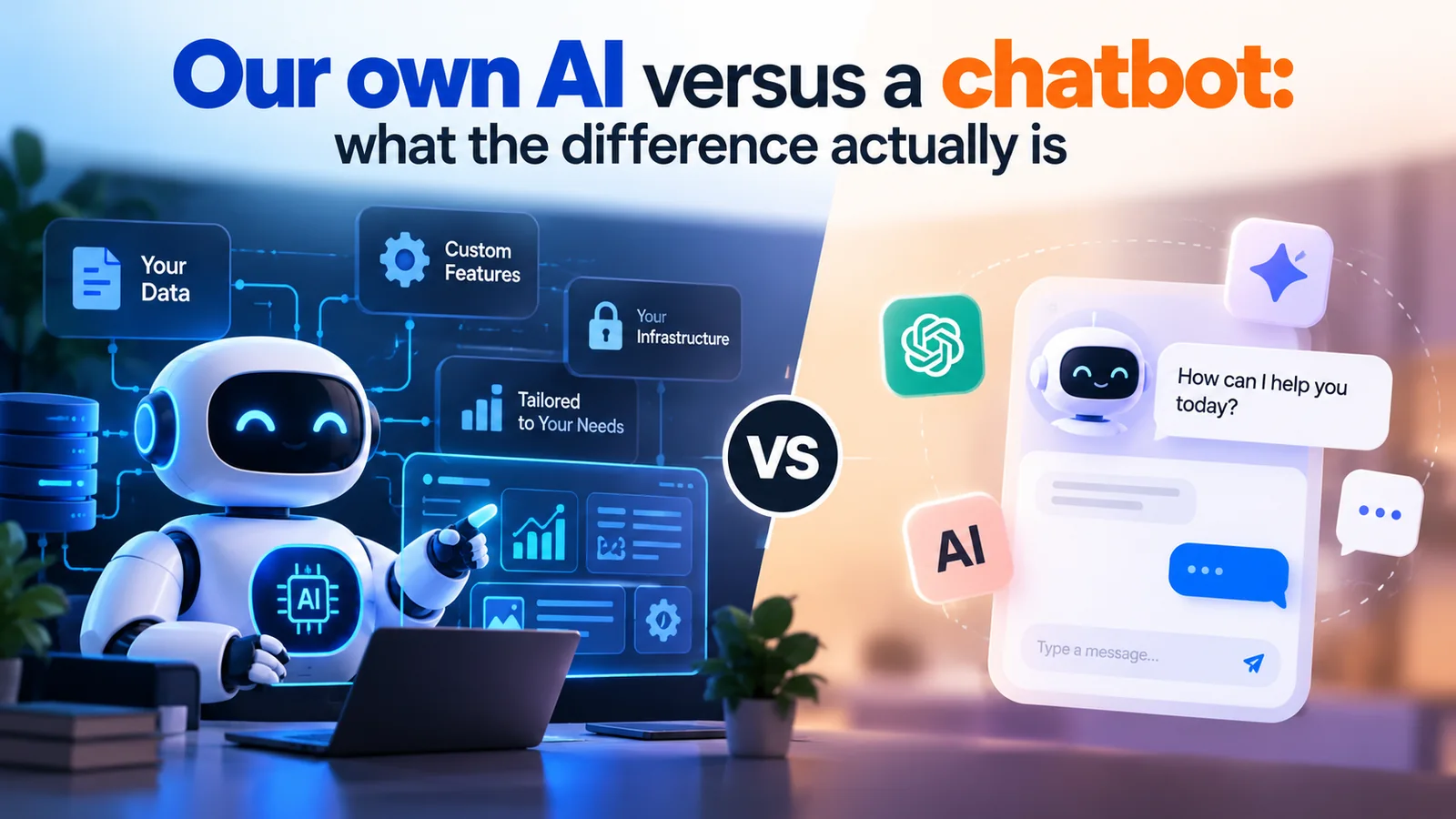
Talha Javed2 min readA generic chatbot and an AI trained on your business look the same in a demo. They behave very differently in month three. Here is what sits behind each, and when a simple chatbot is all you need.
Hourly billing moves the risk onto you. A fixed price moves it onto us, which is where it belongs. Here is what goes into ours, what is excluded, and how changes are handled without drama.
A free 30-minute call with a senior engineer. You leave with a plan and a price range, whether or not you hire us.